Cellstory Liquid Microneedling is an innovative Korean skin rejuvenation treatment that is attracting attention for its unique approach to improving the appearance of skin texture, radiance, fine lines and uneven skin tone. Often described as the next generation of skin renewal, Cellstory combines patented Microspear® technology with an advanced eight-step professional treatment designed to prepare, stimulate and support the skin.
At Ultimate Skin, I am always looking for innovative treatments that reflect my core values: respecting the skin, choosing treatments with purpose and delivering results-driven skincare without unnecessarily aggressive procedures. Cellstory caught my attention because it brings together advanced skincare technology and a carefully structured treatment protocol, with a strong emphasis on both skin stimulation and recovery.
Unlike traditional microneedling, which uses a device fitted with fine metal needles, Cellstory uses microscopic, sponge-derived spicules as part of a topical treatment. These tiny structures interact with the superficial layers of the skin and are designed to support the delivery of active ingredients and stimulate the skin’s natural renewal processes.
The result is a distinctive approach to professional skin rejuvenation that may help improve the appearance of dullness, uneven texture, enlarged-looking pores, fine lines, pigmentation and some forms of acne scarring.
But what exactly is liquid microneedling? How does Cellstory work? What makes its technology different, and what can you realistically expect from a treatment?
In this comprehensive guide, I will explain the science behind Cellstory, explore its potential benefits, take you through the eight-step treatment process and explain who may be suitable for this innovative facial.
What Is Cellstory Liquid Microneedling?
Cellstory is an advanced Korean professional skincare system built around an eight-step treatment protocol and its patented Microspear® technology.
The treatment is commonly referred to as liquid microneedling because it uses microscopic, needle-like spicules derived from purified sponge material rather than a conventional microneedling pen or device.
These spicules are designed to interact with the skin and create tiny pathways within its superficial layers. This helps distinguish Cellstory from a conventional facial, which generally relies on cleansing, exfoliation, massage and the application of topical skincare products.
Cellstory takes a more structured approach. Its eight stages are designed to work together, preparing the skin before the central Microspear® application and then providing calming, hydrating and conditioning support afterwards.
This sequence is an important part of the treatment. Rather than treating the Microspear® stage as a standalone step, the protocol is designed to prepare the skin, introduce the treatment’s active formulations and then support the skin as it recovers.
Cellstory is therefore more than simply applying a product to the face. It is a professional treatment system that combines microscopic spicules, selected skincare ingredients and a carefully sequenced application method.
At Ultimate Skin, I am particularly interested in treatments that consider the skin as a whole. Supporting skin quality involves more than creating a temporary glow; it means considering texture, hydration, the skin barrier and the individual concerns that may affect how your complexion looks and feels.
What Is Liquid Microneedling, and How Is It Different From Traditional Microneedling?
The term liquid microneedling can sound confusing, particularly if you are already familiar with traditional microneedling.
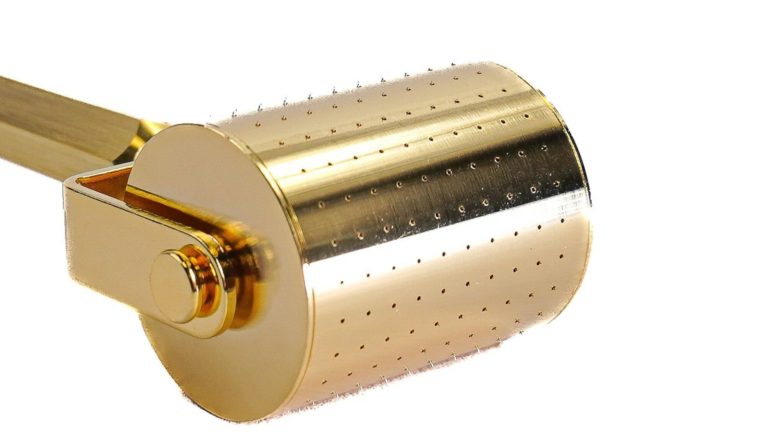
Traditional microneedling typically uses a device containing very fine needles that create controlled punctures in the skin. Depending on the device, needle depth and treatment technique, this can produce a wound-healing response that is used to address certain skin concerns.
Cellstory works differently. It uses microscopic sponge-derived spicules incorporated into a professional topical formulation. These spicules interact with the superficial skin layers and are intended to support skin renewal and the delivery of active ingredients.
Although Cellstory does not use a conventional metal-needle device, its spicules are still needle-like structures that interact with the skin. The treatment should not be considered completely non-invasive or incapable of causing irritation.
There are several important differences between the two approaches:
The treatment method: Traditional microneedling uses a device with metal needles, whereas Cellstory uses sponge-derived microscopic spicules within a topical treatment protocol.
The treatment experience: Traditional microneedling can involve controlled puncturing and may require numbing depending on the device and treatment depth. Cellstory generally does not use a conventional needling device or require numbing cream, although a prickly or tingling sensation is common.
The treatment process: Cellstory follows a structured eight-step protocol that includes preparation, the central Microspear® stage and post-treatment skincare.
The recovery experience: Recovery depends on the individual treatment and your skin. Cellstory is promoted as a lower-downtime alternative to some traditional needling treatments, but temporary redness, sensitivity and a prickly sensation can still occur.
The results: Both approaches aim to improve aspects of skin quality, but they are not interchangeable. The most appropriate treatment depends on your skin concerns, skin condition and expectations.
It is important to choose a treatment based on what your skin needs rather than assuming one approach will always be better than another.
The Science Behind Cellstory’s Patented Microspear® Technology
At the heart of Cellstory is Microspear® technology, developed by Beauren Korea.
Microspear® uses microscopic spicules derived from hydrolysed sponge material. According to Cellstory’s published information, the material undergoes a specialist purification process before being incorporated into its professional formulations.
These spicules are designed to interact with the superficial layers of the skin, helping to create tiny pathways while providing a physical stimulus associated with the treatment’s skin-renewal approach.
This is what gives Cellstory its distinctive identity.
Rather than relying solely on topical products sitting on the skin’s surface, the treatment combines microscopic spicules with a carefully selected blend of ingredients intended to complement the treatment process.
How do the spicules work?
The spicules are tiny, rigid structures that can produce a noticeable prickly sensation when applied to the skin. Their physical interaction with the superficial skin layers is central to the treatment’s design.
Cellstory describes its Microspear® technology as supporting skin renewal and the delivery of active skincare ingredients. Its treatment approach is intended to help improve the appearance of uneven texture, fine lines and other visible skin concerns.
The spicules are also described as remaining active for up to approximately 72 hours, during which they are gradually shed as the skin naturally renews itself.
This does not mean that every client will experience exactly the same response or that collagen production and visible improvements can be guaranteed. Skin renewal is a complex biological process, and the outcome depends on individual factors.
Why is the purification process important?
Cellstory highlights a 13-step purification process in the development of its Microspear® material. The aim is to refine the sponge-derived spicules for use in professional skincare formulations.
The quality and consistency of ingredients matter in a professional treatment. However, even a carefully refined ingredient can cause sensitivity in some people. This is why suitability assessment, correct application and appropriate aftercare remain essential.
For me, the appeal of Cellstory lies in the combination of its technology and its wider treatment design, rather than any single ingredient or step working in isolation.
Why Cellstory Uses an Eight-Step Treatment Protocol
One of the most interesting aspects of Cellstory is that it is designed as a complete treatment system rather than a single active application.
Each stage has a purpose within the overall protocol. The first steps prepare and condition the skin, the Microspear® stage forms the central treatment, and the final stages focus on hydration, calming and post-treatment support.
Steps 1–4: Preparing and conditioning the skin
The initial stages of the treatment focus on cleansing, hydrating and conditioning the complexion.
This preparation is designed to create an appropriate starting point for the central Microspear® stage. The formulations introduce supportive skincare ingredients as part of a carefully sequenced process.
Preparation is important because professional skin treatments should not be approached as though every complexion has identical needs. The condition of the skin before treatment can influence how the procedure is performed and whether it is appropriate to proceed.
These early stages are not simply an introduction to the main event. They form part of the overall treatment design.
Step 5: Microspear® Meso-Care
This is the central stage of the Cellstory treatment.
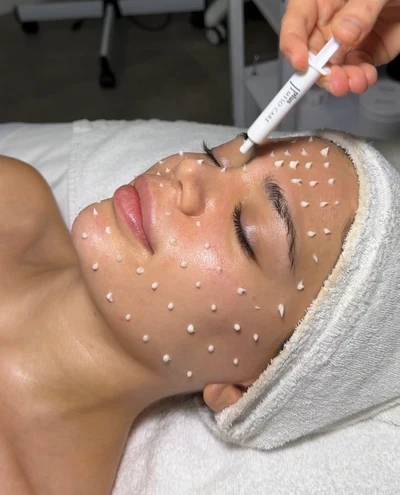
The Microspear® formulation is applied by a trained professional using the prescribed technique. The microscopic spicules interact with the superficial layers of the skin and are intended to support the treatment’s skin-renewal approach.
Cellstory positions this step as both a physical stimulus and a means of supporting the delivery of active ingredients within the protocol.
You may notice a prickly, tingling or scratchy sensation during application. This is a recognised part of the treatment experience, although the intensity varies from person to person.
The treatment should be carried out using the appropriate professional protocol, with attention to skin suitability and comfort.
Steps 6–8: Calming, replenishing and supporting recovery
After the Microspear® stage, the remaining steps focus on supporting the skin.
These stages incorporate skincare products intended to soothe, hydrate and condition the complexion. Cellstory’s approach includes ingredients designed to support moisture levels and the skin barrier following the treatment.
This recovery-focused phase is particularly important. A treatment that stimulates the skin should also include appropriate consideration of what happens afterwards.
At Ultimate Skin, I believe this balance is fundamental to responsible skincare. The aim is not to make the skin feel as though it has been subjected to an aggressive procedure, but to select an approach that considers both the desired result and the skin’s ability to tolerate treatment.
The Cellstory approach can be understood in three stages: prepare the skin, apply the central treatment and support recovery. Each phase contributes to the overall protocol.
What Are the Benefits of Cellstory Liquid Microneedling?
Cellstory is designed to address several visible skin concerns, making it an option worth discussing if your complexion looks dull, feels uneven or shows early signs of ageing.
The benefits you experience will depend on your skin condition, the concern being treated and your response to the procedure.
1. Smoother-looking skin texture
Uneven texture can make the complexion look less refined, particularly when there are areas of roughness, congestion or residual marks from previous breakouts.
Cellstory’s Microspear® technology is designed to support the skin’s renewal processes. As the skin settles and renews, the treatment may help improve the appearance of texture.
It is important to distinguish between general uneven texture and deeper structural scarring. More pronounced acne scars may require a different treatment plan, and improvement cannot be guaranteed.
2. Brighter, more radiant-looking skin
A dull complexion can be influenced by dehydration, the accumulation of dead skin cells, environmental exposure and other factors.
Cellstory combines its central treatment with skincare ingredients intended to support the appearance of a fresher complexion. For suitable clients, the treatment may help improve visible radiance and create a smoother-looking surface.
The goal is healthy-looking luminosity rather than an artificial or temporary shine.
3. Improved appearance of fine lines
Fine lines can become more visible as the skin changes with age, loses moisture or becomes less elastic.
Cellstory’s approach combines Microspear® technology with formulations containing ingredients such as peptides and growth factors. These ingredients are included to support the treatment’s skin-conditioning and rejuvenation aims.
The treatment may help improve the appearance of fine lines, but it should not be presented as a guaranteed way to remove wrinkles or produce a surgical lifting effect.
4. A more refined appearance of pores
Enlarged-looking pores are a common concern, particularly around the nose, cheeks and forehead.
Pore appearance is influenced by genetics, oil production, congestion and changes in the surrounding skin. Although pores cannot be permanently removed, improving the appearance of skin texture may help create a more refined-looking complexion.
Cellstory may be considered as part of a broader approach to these concerns, depending on your skin and its suitability for treatment.
5. More even-looking skin tone
Uneven tone and visible pigmentation can develop for a number of reasons, including sun exposure, hormonal changes and post-inflammatory marks.
Cellstory may be an option for selected clients concerned about the appearance of uneven tone. However, different forms of pigmentation behave differently, and some can worsen when the skin becomes irritated.
A consultation is important before choosing any treatment for pigmentation, especially if you have melasma, persistent dark patches or a history of post-inflammatory hyperpigmentation.
6. Improvement in the appearance of some acne marks
Marks left after breakouts can affect both colour and texture. Cellstory may be considered for selected clients whose main concern is the appearance of uneven texture or superficial marks.
Active acne, deeper scarring and inflammatory skin conditions require careful assessment. Cellstory is not a substitute for medical acne treatment, and it may not be suitable when acne is actively inflamed.
7. A fresher, healthier-looking complexion
Sometimes the goal is not to address one specific concern but to improve the overall appearance of the skin.
By combining preparation, the Microspear® stage and recovery-focused skincare, Cellstory aims to support a smoother, brighter and more refined complexion.
The most appropriate outcome will depend on your starting point and expectations. During a consultation, I can help you identify the concerns that are realistic to target and whether Cellstory is a suitable choice.
The Key Ingredients in Cellstory
Microspear® technology is only one part of the treatment. Cellstory also uses a range of skincare ingredients selected to complement the professional protocol.
Growth factors: EGF, FGF and IGF
Cellstory’s published ingredient information highlights growth factors including EGF, FGF and IGF.
These are proteins associated with cell signalling and biological processes. In skincare formulations, growth factors are used with the aim of supporting the appearance of rejuvenated skin.
Their presence in a product does not guarantee that they will reach a particular skin layer or produce a specific clinical result. Their effects depend on the formulation, delivery method and other factors.
Within Cellstory, they form part of a wider approach to skin conditioning and renewal.
Peptides and amino acids
Peptides are short chains of amino acids, while amino acids are the building blocks of proteins.
Both are used in skincare formulations designed to support the appearance and condition of the skin. They may contribute to a formulation’s skin-conditioning and moisturising properties.
Cellstory incorporates peptides and amino acid complexes as part of its professional treatment system, complementing the other stages of the protocol.
Centella asiatica
Centella asiatica is a botanical ingredient widely used in skincare products designed for sensitive or stressed skin.
It is valued for its soothing properties and is often included in formulations intended to support a comfortable-looking complexion.
Its inclusion is relevant to Cellstory’s emphasis on combining a stimulating treatment step with calming and conditioning support.
Panthenol, also known as vitamin B5
Panthenol is commonly used in skincare to support hydration and help maintain the skin barrier.
The skin barrier plays an important role in reducing moisture loss and protecting the skin from external irritants. Maintaining it is particularly relevant after a treatment that may temporarily increase sensitivity.
The Yellow Calming Complex
Cellstory’s Yellow Calming Complex is a proprietary blend described as containing extracts from five yellow plants.
The complex is intended to provide soothing and antioxidant support within the treatment system.
Although calming ingredients can help support the skin, they cannot guarantee that redness or irritation will not occur. Your individual skin response remains important.
Hydrating and antioxidant ingredients
Cellstory formulations also incorporate additional ingredients selected to support hydration and protect the skin’s appearance.
Hydration can make the skin look plumper and help soften the appearance of dehydration lines. Antioxidant ingredients are used in skincare to help address oxidative stress associated with environmental exposure.
The overall aim is to combine these supportive ingredients with the Microspear® stage in a carefully organised professional treatment.
Who Is Cellstory Liquid Microneedling Suitable For?
Cellstory may be worth considering if you are concerned about:
- Dull or tired-looking skin.
- Uneven skin texture.
- The appearance of enlarged pores.
- Fine lines and early visible signs of ageing.
- Certain types of uneven skin tone.
- Superficial marks left by previous breakouts.
- A complexion that looks less smooth or radiant than you would like.
However, a list of potential treatment benefits is not the same as a suitability assessment.
Your skin history, current condition, sensitivity, medications and recent treatments all matter. A treatment that is appropriate for one person may be unsuitable for another.
For example, active inflammation, a compromised skin barrier, an infection or open wounds may mean treatment should be postponed or avoided. Pigmentation concerns also need careful consideration because irritation can aggravate certain conditions.
During a consultation at Ultimate Skin, I would want to understand what is concerning you about your skin, what you have already tried and what you hope to achieve.
The aim is to choose a treatment that makes sense for your skin, not to recommend Cellstory simply because it is new.
What Happens During a Cellstory Facial at Ultimate Skin?
The professional treatment is commonly described as taking approximately 60 minutes, although the actual appointment time may vary.
Your experience begins with an assessment of your skin and a discussion of your expectations and suitability.
The treatment then follows Cellstory’s prescribed eight-step protocol.
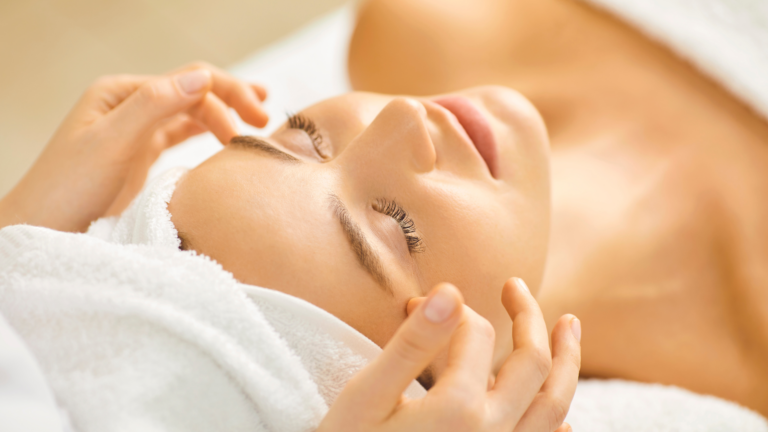
First, the skin is prepared. The early stages focus on cleansing, hydration and conditioning to prepare the complexion for the main treatment.
Next, the Microspear® stage is performed. The central formulation is applied using the prescribed professional technique. You may experience a prickly or tingling sensation.
Finally, the skin receives recovery-focused care. The final stages include products intended to calm, hydrate and condition the skin.
The exact products and application technique should follow the professional Cellstory protocol.
Afterwards, you will receive guidance on looking after your skin, including which products and activities to avoid temporarily.
I believe understanding the process helps you feel more confident about a treatment. You should know what is being applied, why each stage is included and what to expect afterwards.
Does Cellstory Liquid Microneedling Hurt?
Cellstory does not use a conventional metal-needle microneedling device, but that does not mean you will feel nothing.
The Microspear® stage can produce a prickling, tingling or scratchy sensation. Some clients may find this manageable, while others may find it more noticeable.
Your experience can depend on your skin’s sensitivity, the condition of your skin and your individual response to the spicules.
Cellstory is generally performed without conventional microneedling numbing cream, but you should not feel obliged to tolerate a treatment that is causing unexpected or excessive discomfort.
If you have very sensitive skin or a history of reacting to skincare products, mention this before booking so that suitability can be considered carefully.
Is There Downtime After Cellstory?
One of the reasons Cellstory attracts interest is that it is promoted as an alternative to more invasive skin treatments, without the use of a traditional metal-needle device.
However, minimal downtime does not mean no downtime or no side effects.
After treatment, you may experience:
- Temporary redness or warmth.
- A prickly or tingling sensation.
- Skin that feels rough or sensitive to touch.
- Temporary dryness or tightness.
- Sensitivity that lasts longer than expected.
Cellstory describes its spicules as remaining active for up to approximately 72 hours. The experience varies, so you should not assume that every sensation will disappear within exactly three days.
Some clients may feel comfortable returning to normal activities quickly. Others may prefer to allow their skin more time to settle.
Make-up may be possible the following day in some cases, but this should depend on your skin’s condition and the specific aftercare instructions you are given. Avoid applying make-up over skin that is irritated, broken or unusually sensitive.
If you have a wedding, holiday, important event or photoshoot approaching, let me know before scheduling treatment. It is sensible to allow time for your skin to settle rather than booking a new treatment immediately before a special occasion.
Cellstory Aftercare: How to Look After Your Skin
Aftercare is an essential part of the treatment experience. Even when a procedure is promoted as having minimal downtime, your skin may need time and gentle care afterwards.
Keep your skincare routine gentle
Follow the specific instructions provided at your appointment. Your routine may need to focus on gentle cleansing, hydration and barrier support while your skin settles.
Avoid introducing new products immediately after treatment unless they have been specifically recommended.
Pause potentially irritating products
Depending on your skin’s response, you may be advised to temporarily avoid retinoids, exfoliating acids, scrubs, strong active ingredients and other potentially irritating products.
The appropriate timing depends on the treatment protocol and your skin’s condition. Follow your practitioner’s instructions rather than restarting everything according to a fixed timetable.
Protect your skin from the sun
Sun protection is important after skin treatments, especially if your complexion is temporarily sensitive.
Use a suitable broad-spectrum sunscreen as directed and minimise unnecessary direct sun exposure while your skin recovers.
Avoid aggressive exfoliation
Do not scrub your skin or try to remove the spicules manually. Aggressive exfoliation can worsen irritation and interfere with recovery.
If your skin feels prickly or rough, resist the temptation to rub it. Follow the aftercare guidance and allow your skin to settle naturally.
Be mindful of heat and strenuous exercise
You may be advised to avoid activities that cause excessive heat, sweating or irritation for a period after treatment. This can include saunas, steam rooms, intense exercise and very hot showers.
The precise restrictions should follow the professional protocol and your skin’s response.
Contact your practitioner if you are concerned
Mild temporary reactions can occur, but significant or worsening pain, swelling, blistering, marked redness or signs of infection should not be ignored. Seek appropriate medical advice if you experience a concerning reaction.
Good aftercare is not about doing as much as possible. It is about giving your skin the support it needs while avoiding unnecessary irritation.
How Many Cellstory Treatments Will I Need?
The number of treatments depends on your skin concerns, your starting point and the outcome you hope to achieve.
A commonly recommended starting course for Cellstory is four treatments spaced approximately one week apart. This is a general treatment recommendation, not a requirement for every client.
A course may be considered when the aim is to address ongoing concerns such as uneven texture or the appearance of fine lines, rather than simply seeking a one-off glow.
Following a course, maintenance may be discussed according to your skin’s response and ongoing needs.
It is important not to assume that more frequent treatments will automatically produce better results. The skin needs appropriate time to recover, and the recommended schedule should be followed.
At Ultimate Skin, I would prefer to assess your skin, discuss your goals and agree on a realistic treatment plan rather than promise a particular result after a fixed number of sessions.
How Soon Will I See Results From Cellstory?
This is one of the most common questions people have about any advanced facial treatment.
Your skin may look fresher or feel smoother relatively soon after treatment, but the timing and extent of visible changes vary.
Some changes in appearance can be influenced by hydration and the skin’s surface condition. Improvements in concerns such as uneven texture, pigmentation or the appearance of fine lines may take longer to assess and may require a course of treatment.
It is also important to remember that the skin continues to change in response to factors such as age, hormones, sun exposure, lifestyle and home skincare.
Cellstory is not a permanent solution to ageing, pigmentation or acne scarring. Results cannot be guaranteed, and some concerns may be better addressed using a different treatment or a combination of approaches.
The best way to evaluate progress is to establish a clear starting point, follow the recommended protocol and assess your skin over time.
Is Cellstory Better Than Traditional Microneedling?
There is no single answer because the two treatments use different methods and may suit different needs.
Traditional microneedling can be appropriate for certain concerns when performed by a suitably trained practitioner using the correct device and settings. Cellstory offers a different approach using microscopic sponge-derived spicules and a structured eight-step topical protocol.
Cellstory may appeal to clients who are interested in an alternative to a conventional metal-needle device. However, it still involves microscopic spicules interacting with the skin, and it can cause sensitivity or irritation.
Traditional microneedling and Cellstory should not be compared solely on the basis of discomfort, downtime or marketing claims. Their suitability depends on the skin concern being treated, the procedure being performed and the individual’s medical and skin history.
At Ultimate Skin, my priority is to help you understand the options and make an informed decision. The most advanced treatment is not necessarily the best treatment for every complexion.
Is Cellstory Suitable for Sensitive Skin?
Sensitive skin needs a particularly considered approach.
Cellstory includes ingredients intended to soothe and condition the skin, including its Yellow Calming Complex. However, the presence of soothing ingredients does not automatically make the treatment suitable for all sensitive skin types.
If your skin is prone to redness, stinging, irritation or reactions to products, a thorough consultation is important.
Treatment may need to be postponed if your skin barrier is compromised or you have active inflammation. Your practitioner should also consider allergies, relevant medications, recent procedures and any history of adverse reactions.
Do not assume that Cellstory is suitable simply because it is described as gentle or as having minimal downtime. Your skin’s current condition must guide the decision.
Can Cellstory Help With Acne Scarring and Pigmentation?
Acne scarring and pigmentation are two concerns that can be particularly frustrating because they may remain visible long after an initial breakout or skin irritation has settled.
However, these concerns are not all the same.
Some acne marks are flat areas of discolouration, while others involve changes in the skin’s structure. Raised scars, deeper depressions and active inflammatory acne each require different considerations.
Likewise, pigmentation may be caused by sun exposure, hormonal changes, previous inflammation or other factors.
Cellstory may be considered for selected clients concerned about superficial texture changes or uneven tone, but it is not a universal solution for all acne scars or pigmentation.
For some people, an alternative treatment may be more appropriate. For others, a combination of professional skincare, sun protection and carefully selected treatments may be needed.
If pigmentation is your main concern, it is particularly important to avoid treatments that could provoke irritation and worsen discolouration.
A consultation allows us to discuss your concern in more detail and decide whether Cellstory is a sensible option.
How Much Does Cellstory Liquid Microneedling Cost?
The price of a Cellstory treatment can vary between clinics, depending on the provider, location and treatment plan.
Some clinics advertise individual sessions at around £225, but this should not be taken as the confirmed price at Ultimate Skin.
If you are considering a course of four treatments, ask about the current price per session, whether a course option is available and what is included in the appointment.
It is also worth considering the suitability of the treatment before committing to a course. A consultation can help establish whether Cellstory is likely to address your concerns and whether another approach might be more appropriate.
For current pricing and availability at Ultimate Skin, please get in touch directly.
Why I Chose to Introduce Cellstory at Ultimate Skin
At Ultimate Skin, I believe effective skincare should be based on respecting the skin, understanding its needs and choosing treatments with a clear purpose.
I am interested in treatments that go beyond a temporary surface-level glow and take a considered approach to skin quality. Cellstory appealed to me because its eight-step protocol brings together preparation, Microspear® technology, active skincare ingredients and a dedicated recovery phase.
Its approach fits with my belief that results-driven skincare should not mean being unnecessarily aggressive with the skin.
I also recognise that no single treatment can address every skin concern. A treatment should be selected because it is suitable for the person receiving it, not simply because it is innovative or popular.
When you visit Ultimate Skin, I want you to feel informed about what your treatment involves, what it may help with and what you can realistically expect. I will always encourage a personalised approach rather than a one-size-fits-all promise.
My goal is to help you work towards healthier-looking, smoother and more radiant skin while respecting your skin’s individual needs.
Frequently Asked Questions About Cellstory Liquid Microneedling
Is Cellstory the same as traditional microneedling?
No. Traditional microneedling uses a device with fine metal needles, while Cellstory uses microscopic sponge-derived spicules as part of a professional topical treatment protocol. Both approaches interact with the skin, but they are not identical procedures.
How long does a Cellstory treatment take?
The professional treatment is commonly described as taking around 60 minutes. Your appointment may take longer if additional consultation or assessment is required.
Does Cellstory use real needles?
Cellstory does not use a conventional metal-needle microneedling device. It uses microscopic, needle-like sponge-derived spicules known as Microspear®. These interact with the superficial layers of the skin, so the treatment should not be described as entirely non-invasive.
Will my skin peel after Cellstory?
Skin responses vary. You may experience temporary dryness, roughness, sensitivity or changes in how your skin feels. Not everyone experiences visible peeling, and you should not try to force the skin to shed by scrubbing or exfoliating.
Can I wear make-up after Cellstory?
Make-up may be possible the following day in some cases, but this depends on your skin’s condition and the specific aftercare guidance provided. Avoid applying products over irritated or broken skin.
How many sessions are recommended?
A commonly recommended starting course is four treatments spaced approximately one week apart. Your suitability and treatment schedule should be assessed individually, and a course is not automatically necessary for every client.
Is Cellstory suitable for all skin types?
Not necessarily. Your skin condition, sensitivity, medical history and current skincare routine all need to be considered. A consultation is important before treatment.
Can Cellstory remove wrinkles or acne scars?
No treatment can guarantee the removal of wrinkles or acne scars. Cellstory may help improve the appearance of certain skin concerns in suitable clients, but results depend on the individual and the nature of the concern.
Is there any downtime?
Cellstory is promoted as a treatment with minimal downtime compared with some more invasive procedures. Nevertheless, redness, sensitivity and a prickly sensation can occur, and recovery varies between individuals.
Is Cellstory suitable before a special event?
It is best to allow sufficient time for your skin to settle after a new treatment. Because reactions vary, avoid scheduling your first session immediately before an important event. Discuss your timings during your consultation.
Discover Cellstory Liquid Microneedling at Ultimate Skin
If you are looking for an innovative approach to skin rejuvenation, Cellstory Liquid Microneedling may be worth exploring.
Its patented Microspear® technology, carefully sequenced eight-step protocol and combination of skin-conditioning ingredients make it a distinctive addition to professional skincare.
Whether your main concern is dullness, uneven texture, visible pores, fine lines or the appearance of certain acne marks, the first step is to understand your skin and identify the most appropriate treatment approach.
At Ultimate Skin, I take a personalised, skin-respecting approach to every treatment. I will help you understand what Cellstory involves, discuss its potential benefits and explain what you can realistically expect.
Ready to discover whether Cellstory is right for your skin? Contact Ultimate Skin to arrange a consultation and explore your options for smoother, brighter, healthier-looking skin.